
Foodservice is the backbone Irish convenience stores are built upon, and is key to hybrid evolution that the Irish convenience channel is experiencing.
At a Glance
Exploring in-store execution of foodservice and community in Irish convenience stores alongside the key themes moving the channel further than simple foodservice.
Foodvenience is still thriving
On our visits to Ireland last year, we highlighted the country’s distinctive ‘foodvenience’ proposition, where foodservice sits at the heart of the convenience store offer. Having recently spent time visiting stores around Dublin, it’s clear that this remains a defining characteristic of the market. Deli counters remain at the heart of convenience stores, supported by growing food-to-go ranges, fresh bakery, barista or machine coffee, and food-for-now meal solutions, as well as fitting in seating areas in the small spaces. While foodservice has become a larger part of the competitive battleground in convenience stores globally, Irish retail continues to stand out for the sheer scale and consistency. In most convenience stores visited there was some form of foodservice counter.
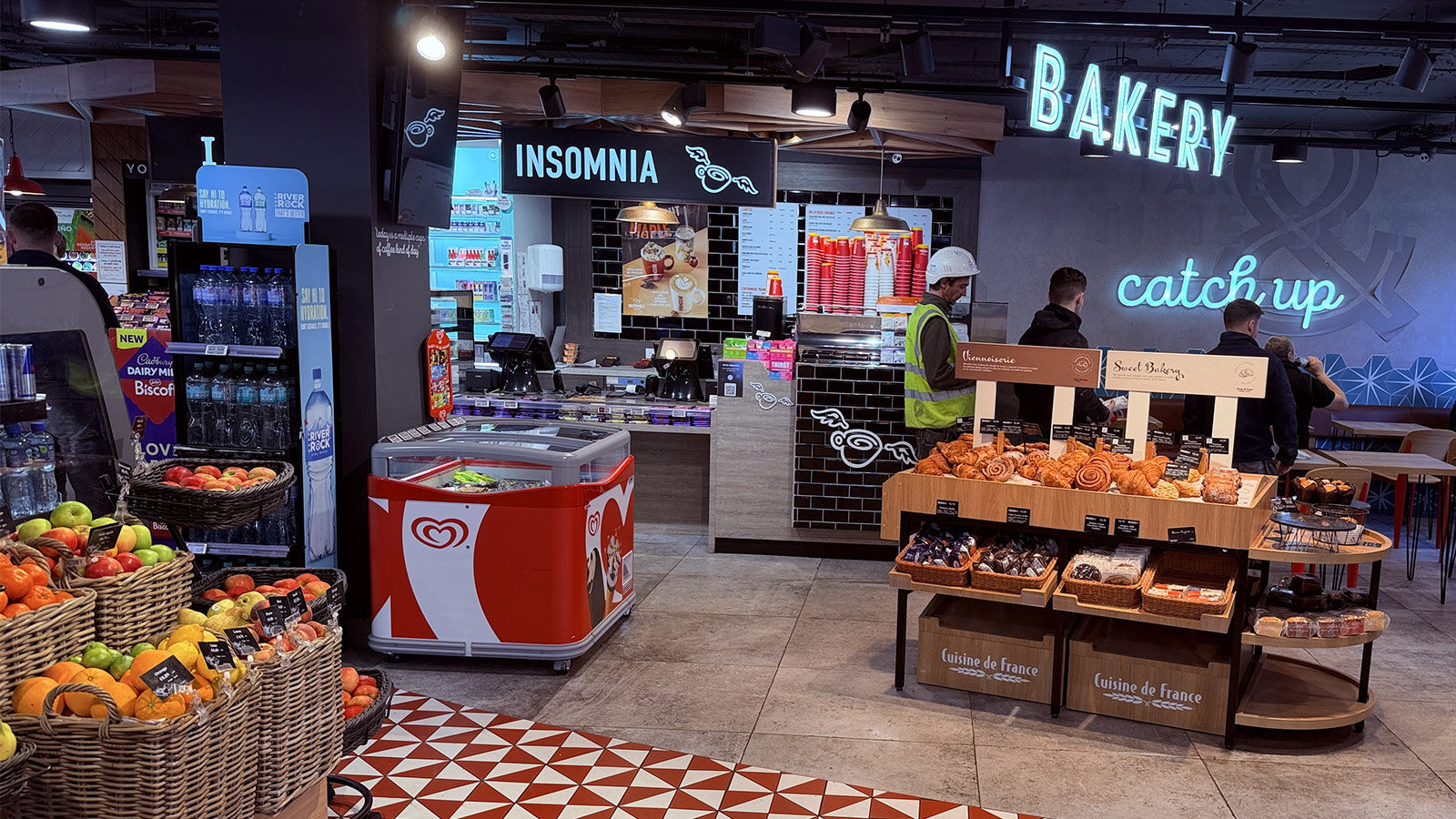
An established model evolving
What struck me most wasn’t the presence of food-to-go itself (though it was impressive compared to UK convenience), but how deeply embedded and mature the model has become. Across the stores visited, foodservice didn’t seem like an additional extra to drum up footfall, but rather an established expectation. Retailers have therefore had lots of time to refine their convenience propositions, aiming to meet changing missions throughout the day. In Dublin, the food-for-now offer needed to be comprehensive to support all shoppers entering the store, as the area is highly competitive and shoppers have plenty of options. This meant that simply offering food-for-now, manned counters, and self-service meal solutions wouldn’t cut it, retailers need to look beyond the foundations to stand out amongst the crowd.
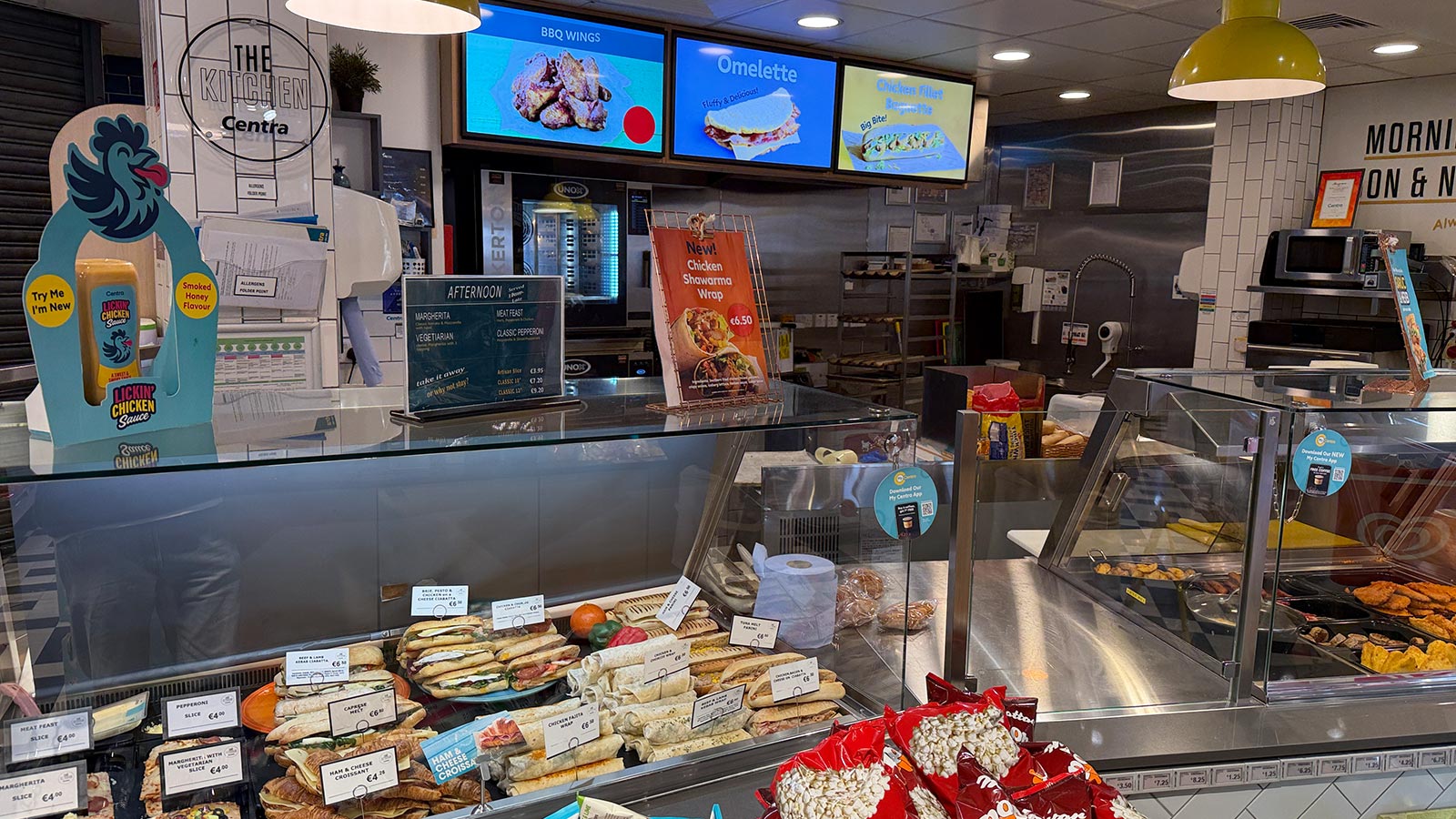
Highlights from inside the stores
One example of outstanding convenience channel grocery formatting is from Fresh the Good Food Market, Grand Canal Square, offering a comprehensive lineup of food-for-now and food-to-go counters. We visited this store during the lunch rush and it was clear to see the demand for the options available was massive. The store offered chilled meal solutions, hot food from its ‘Fresh Kitchen’ and delicatessen counters, and a butcher towards the back offering fresh meat and packaged ready meals prepared in store. As well as this, a counter from third party Offbeat Donuts fulfilled the coffee and sweet pastry demand in the store, located at the front to offer speedy service to shoppers in need of a quick fix. The store also featured both indoor and outdoor seating, providing mission shoppers a place to eat food they have just purchased.
The stores proposition was exemplified by the foodservice lineup, but looking away from the lunch rush options you could see a lot of thought had gone into the layout and theming of the store, the fresh section used colourful wooden baskets with a chilled fixture in between for certain products, so it could all be found in one place, and each gondola-end in the ambient section featured ‘Manager’s Special This Week’ offers, highlighting specific products often with a multi-buy offer. This stores proposition, layout, and theming came together to create a brilliant example of what the Irish convenience channel does best.
Themes that stood out
The rise of the hybrid store
Beyond foodservice, one of the most notable themes was the emergence of the convenience store as a true hybrid destination. Stores are fulfilling multiple roles, serving as grocery shops, cafes, bakeries, takeaway destinations and hubs for the community. Rather than separating these missions, Irish retailers appear to be leaning into the mixture, finding ways to make it natural and intuitive for shoppers. This hybrid nature creates greater relevance across multiple occasions, driving repeat visits throughout the day and week.
Retailer entrepreneurship driving community and innovation
Another observation from the trip was the continued importance of entrepreneurial retailers within the Irish market. National brand and symbol groups provide consistency, and many of the best stores retain a strong sense of individuality, catering to the local communities needs. Investment decisions, local ranging, store enhancements, and community engagement initiatives often reflected the ambition and vision of the retailer. This entrepreneurship was evidenced by the quality of execution and willingness to evolve propositions, refining the offering to suit the local demographic of shoppers. An example from an urban format SuperValu in Dublin showed how ranges could be catered to pockets of culture within the community, offering a Brazilian product range to cater to the local Brazilian and Portuguese community, as well as offering a decent sized world foods section elsewhere.
What can UK retailers learn?
For UK retailers, Ireland offers several valuable lessons. The first is that convenience retailing does not have to be limited by store size. As we have seen, urban store formats can fit a surprising number of groceries and services in some very small spaces. Secondly, the market highlights the value of maintaining local relevance even with larger retail networks. The best stores felt tailored to the community and demographic they serve. Finally, Ireland reinforces thinking beyond just selling more groceries. Irish stores have embraced the use of multiple services to create a destination for all shoppers needs. I would argue that most of the stores visited would be considered exemplary in the UK convenience channel, showing the amount of room for growth in UK convenience retailing.